
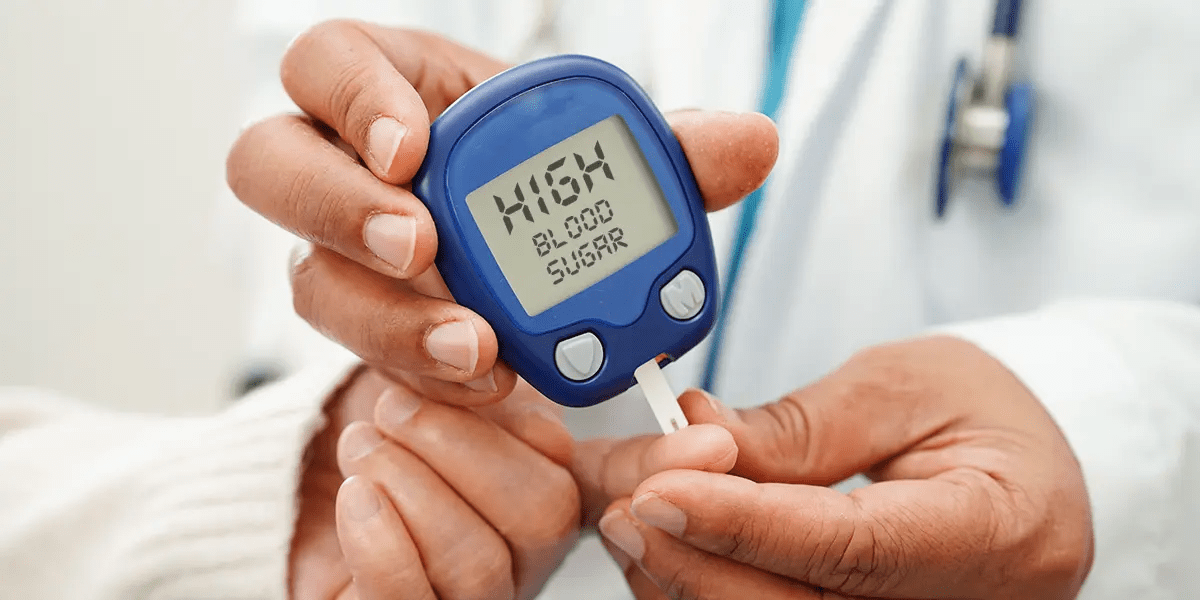
Managing blood sugar isn’t just a concern for the millions living with diabetes. It’s central to energy levels, mood, weight management, and long-term health for nearly everyone. The modern lifestyle—filled with processed foods, sedentary habits, and chronic stress—has made insulin resistance and elevated blood glucose a silent epidemic. The good news is that we have an unprecedented understanding of how to bring blood sugar back into balance. Some of the most powerful tools come from daily habits, while others rely on medical breakthroughs. The art of optimal glucose control lies in skillfully combining both.
Understanding Blood Sugar: A Balancing Act
When you eat, your body breaks down carbohydrates into glucose, which enters the bloodstream. In response, the pancreas releases insulin, a hormone that acts like a key, unlocking cells to let glucose in for energy. Blood sugar problems arise when this system falters. In type 1 diabetes, the pancreas produces little to no insulin. In type 2 diabetes, cells become resistant to insulin’s signal, and over time, the pancreas can’t keep up. Prediabetes is the warning zone where blood sugar is elevated but not yet in the diabetic range—and it’s reversible.
Chronically high blood sugar damages blood vessels and nerves, leading to complications like heart diabetes medication, kidney failure, and vision loss. Even in those without diabetes, large glucose spikes and crashes can drive hunger, fatigue, and inflammation. The goal, whether you’re managing a diagnosis or protecting your metabolic health, is to keep your blood glucose in a steady, optimal range.
Part 1: Natural Strategies – The Foundation of Control
Lifestyle changes are the bedrock of blood sugar management. They can dramatically improve your numbers and, in cases of prediabetes or early type 2 diabetes, can lead to full remission.
1. Strategic Nutrition: It’s Not Just What You Eat, But How
Diet is the most immediate lever you can pull.
- Focus on Fiber, Especially Soluble: Fiber slows the absorption of sugar into the bloodstream, preventing sharp spikes. Soluble fiber, found in oats, beans, flaxseeds, and apples, forms a gel that is particularly effective. Aim for a fiber-rich plate at every meal.
- Master the Art of Macronutrient Sequencing: Emerging research shows that the order in which you eat your food matters. Eating protein and non-starchy vegetables before carbohydrates in a meal can significantly reduce post-meal glucose spikes. This simple tweak slows gastric emptying and primes your hormones for a gentler glucose release.
- Choose Low-Glycemic, Whole Foods: Replace refined carbohydrates (white bread, sugary cereals, white rice) with intact whole grains, legumes, sweet potatoes, and non-starchy vegetables. These break down slowly and provide steady energy.
- Don’t Fear Healthy Fats and Protein: When a carbohydrate is paired with a source of fat, protein, or both, the glycemic response is blunted. An apple with almond butter, or toast with avocado and an egg, will always be a better choice than a plain bagel.
- Be Cautious with “Natural” Sugars: Honey, maple syrup, and agave still trigger glucose spikes. While often less processed, they are metabolically similar to table sugar and should be minimized.
- Hydrate Wisely: Water is the perfect beverage. Sugary drinks, including fruit juices, deliver a massive, rapid glucose load. Even artificially sweetened beverages may disrupt the gut microbiome and insulin response in some individuals, so use them sparingly.
2. Exercise: A Dual-Action Therapy
Physical activity is a non-negotiable medicine. It lowers blood sugar through two distinct mechanisms: during exercise, muscles burn glucose for fuel independent of insulin; and in the hours after exercise, insulin sensitivity is dramatically enhanced.
- The Post-Meal Walk: One of the most effective and underutilized habits is a gentle 10- to 15-minute walk after a meal. This activates your muscles to soak up glucose at the exact moment it’s entering your bloodstream, flattening the post-meal spike.
- Strength Training is Key: Muscle is the body’s largest glucose sink. Building and maintaining muscle mass through resistance training (bodyweight, bands, or weights) provides a permanent upgrade to your body’s capacity to clear glucose 24/7. Two to three sessions per week can be transformative.
- Aerobic Conditioning: Regular moderate cardio (brisk walking, cycling, swimming) improves cardiovascular health and insulin sensitivity at the cellular level.
3. Sleep, Stress, and Circadian Rhythms
You can have a perfect diet, but if your hormones are working against you, blood sugar control will be an uphill battle.
- Prioritize Deep, Restorative Sleep: Even a single night of poor sleep can induce temporary insulin resistance. Chronic sleep deprivation elevates cortisol (a stress hormone that raises blood sugar) and dysregulates hunger hormones, driving cravings for high-carb foods. Aim for 7-9 hours of quality sleep on a consistent schedule.
- Manage the Cortisol Connection: Psychological stress triggers the “fight or flight” response, releasing stored glucose for energy. In modern life, this chronic low-grade stress keeps blood sugar elevated. A daily practice of mindfulness, meditation, deep breathing, or yoga can measurably lower fasting blood glucose and post-meal spikes in some individuals.
4. Evidence-Based Supplements and Spices
No supplement replaces lifestyle, but some have a modest, research-backed role:
- Apple Cider Vinegar (ACV): Taking a diluted tablespoon of ACV before a carb-rich meal has been shown to improve post-meal insulin sensitivity and glucose uptake by muscles. Caution: Always dilute it to protect tooth enamel and the esophagus.
- Cinnamon: Not all cinnamon is equal. Cassia cinnamon, the common grocery store type, contains coumarin, which can be harmful in large doses. Ceylon cinnamon is safer and has been shown in some studies to modestly improve fasting blood sugar, though evidence is mixed.
- Berberine: This plant alkaloid is one of the few supplements to rival the effectiveness of a medication. It activates an enzyme called AMPK, which helps regulate metabolism, and can significantly lower HbA1c. However, it can interact with many prescription drugs and must be used under medical supervision.
- Chromium & Magnesium: Only effective if you are deficient. Magnesium plays a role in insulin signaling, and low levels are common in people with type 2 diabetes. A blood test can guide you.
Part 2: Medical Interventions – When The Body Needs Backup
For many, lifestyle changes are enough. For others, the progression of a disease like type 1 diabetes, advanced type 2 diabetes, or other metabolic conditions means medical therapy is essential to protect their health.
1. Oral Medications for Type 2 Diabetes
These drugs work through various mechanisms and are often used in combination.
- Metformin: The first-line treatment worldwide. It works primarily by reducing glucose production in the liver and improving insulin sensitivity. It’s highly effective, has a long safety record, may support modest weight loss, and is inexpensive.
- SGLT2 Inhibitors (e.g., Empagliflozin, Dapagliflozin): These cause the kidneys to excrete excess glucose through urine. They offer significant heart and kidney protection, making them a cornerstone of modern treatment, and often lead to weight loss.
- GLP-1 Receptor Agonists (e.g., Semaglutide – Ozempic/Rybelsus, Tirzepatide – Mounjaro): A revolutionary class. They mimic a hormone that stimulates insulin secretion, slows stomach emptying, and powerfully suppresses appetite. These injectable (and now oral for semaglutide) drugs lead to remarkable HbA1c reduction and substantial weight loss. They have redefined type 2 diabetes management.
- DPP-4 Inhibitors (e.g., Sitagliptin): A gentler class that modestly lowers blood sugar with a low risk of hypoglycemia and weight neutrality.
- Other Agents: Sulfonylureas and pioglitazone are older, effective, and affordable drugs but carry higher risks of hypoglycemia and weight gain respectively, so they are used in specific situations.
2. Insulin Therapy: Replacing the Missing Key
For all people with type 1 diabetes and many with advanced type 2 diabetes, injected insulin is a life-sustaining necessity. Modern insulin therapy aims to mimic the body’s natural physiology as closely as possible.
- Basal-Bolus Regimen: A long-acting “basal” insulin maintains a steady baseline, while rapid-acting “bolus” doses are taken before meals to cover carbohydrate intake.
- Insulin Pumps: These devices provide a continuous subcutaneous insulin infusion and allow precise dosing, freeing users from multiple daily injections.
- The Artificial Pancreas: Hybrid closed-loop systems now connect a continuous glucose monitor (CGM) directly to an insulin pump. An algorithm automatically adjusts basal insulin delivery every few minutes based on real-time glucose readings, dramatically improving time-in-range and reducing the mental burden of diabetes.
3. Continuous Glucose Monitors (CGMs): The Game-Changer for Everyone
While traditionally for insulin users, CGMs are now a powerful tool for anyone managing blood sugar. A small wearable sensor tracks interstitial glucose 24/7, sending data to your phone. Seeing your glucose response to a specific meal, a stressful meeting, or a night of poor sleep creates a powerful biofeedback loop. It turns abstract advice into personal, actionable data, showing you exactly what “natural” strategies work for your unique body.
The Synergy: Why “Naturally vs. Medically” is the Wrong Question
A common misconception is that these two paths are in opposition—that using medication is a “failure” of lifestyle. This is dangerously wrong. These approaches work in a powerful feedback loop.
- Medication can create a window of opportunity. By rapidly lowering dangerously high blood glucose (a state called glucotoxicity), it can restore the body’s own beta-cell function and insulin sensitivity, making the natural strategies of diet and exercise far more effective.
- Lifestyle intensifies medical therapy. An active, well-nourished body often requires lower doses of medication, reducing side effects and costs. In type 2 diabetes, significant weight loss and dietary changes are the pathways to drug-free remission, but GLP-1 medications are now proving to be the most effective tool to achieve that weight loss.
The most empowered patients work with their doctor not to choose one side, but to weave them into a single, dynamic plan.
The Most Critical Step: Individualization
A bowl of steel-cut oats might keep one person’s glucose curve flat and send another’s soaring. An SGLT2 inhibitor might be a miracle for one but cause intolerable side effects for another. There is no universal protocol. The best blood sugar control plan is one that:
- Is built on a correct diagnosis from a healthcare professional.
- Is guided by data—be it finger-stick checks or a CGM.
- Evolves with your life, your age, and your health status.
- Is created in collaboration with your physician, an endocrinologist, and ideally a registered dietitian.
Improving blood sugar control is not a short-term fix; it’s a continuous process of learning and adjusting. Whether you’re implementing a post-meal walk or starting on a new class of medication, each step is an investment in a future defined not by what you can’t have, but by the vitality, clarity, and health you can gain.







Leave a Reply