
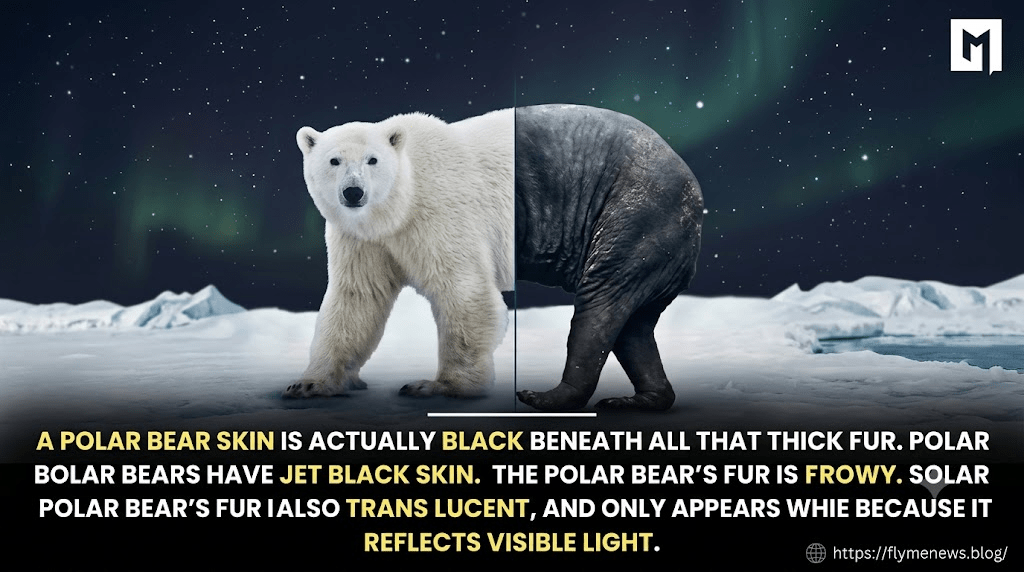
When we think of polar bears, we picture a majestic white creature roaming the icy Arctic. But here’s something that might blow your mind: the color of polar bear skin is actually black! Yes, you read that right. Underneath all that beautiful white fur lies dark skin. This fact surprises most people. In this article, we will explore why polar bears have black skin, how their fur works, and what these amazing adaptations mean for survival in one of the harshest places on Earth. Let’s dive in and uncover the secrets behind the color of polar bear skin.
Understanding the color of polar bear skin helps us appreciate how perfectly these animals are built for their environment. It is a fascinating example of nature’s genius, where every detail serves a purpose. So, let’s start by looking at the basics of what makes a polar bear’s skin and fur so unique.
Table of Contents
Table: Polar Bear Skin and Fur Facts at a Glance
| Feature | Detail |
| Color of Polar Bear Skin | Black |
| Color of Polar Bear Fur | Appears white, but is actually transparent with hollow hairs |
| Why Skin is Black | Absorbs heat from sunlight to stay warm |
| Why Fur Looks White | Scatters and reflects light, providing camouflage in snow |
| Function of Black Skin | Thermal regulation and protection from UV radiation |
| Function of White Fur | Camouflage for hunting and protection from predators |
| Thickness of Fur | Thick, with a dense undercoat and longer guard hairs |
| Skin Color at Birth | Pink, turning black around 3-4 months of age |
| Other Adaptations | Thick layer of fat (blubber) up to 4 inches thick for insulation |
| Tongue Color | Changes from pink to mottled black as the bear matures |
What Exactly is the Color of Polar Bear Skin?
The simple answer is that the color of polar bear skin is black. It is uniformly black across their entire body, from their nose to the pads of their feet . This is a key fact that often surprises people. When we see a polar bear, we only see the white fur. But underneath that thick, warm coat is a dark hide. This unique coloring is not a coincidence. It is a crucial adaptation. A polar bear’s skin is black because it helps them survive in the frozen Arctic. The black skin is most visible on their nose, lips, and foot pads . So, next time you see a picture of a polar bear, remember that under that snowy white coat, the color of polar bear skin is jet black.
Why is the Color of Polar Bear Skin Black?
You might wonder, why is the color of polar bear skin black and not white like their surroundings? The main reason is heat absorption. Black absorbs more light and heat than lighter colors. Think about wearing a black shirt on a sunny day; you feel warmer. The same principle applies to polar bears. By having black skin, they can soak up the sun’s warmth more efficiently. This helps them stay warm in the freezing Arctic temperatures . The sun’s rays can penetrate their transparent fur to reach the black skin, which then absorbs the heat and helps regulate their body temperature . So, the black color of polar bear skin is a powerful tool for survival.
Furthermore, the black color of polar bear skin might also offer protection from the sun. The Arctic environment can be intense. Sunlight reflects off the snow and ice, which can double the exposure to ultraviolet (UV) rays. Darker skin has more melanin, which is the pigment that protects against UV radiation . It is possible that the black color of polar bear skin serves a dual purpose: to soak up heat for warmth and to shield the bear from harmful UV rays. This is a brilliant example of an adaptation that helps them thrive in a challenging climate.
The Truth About Polar Bear Fur
The color of polar bear skin is just half the story. Their fur is equally fascinating. A common myth is that polar bear fur is white. It is not! The truth is that polar bear hairs are transparent, clear tubes that have no pigment or color at all . They just look white because of the way they reflect and scatter light. Each hair is hollow, much like a tiny straw . This hollow structure scatters all wavelengths of visible light, which our eyes perceive as white. The color white is an illusion created by the physics of light. So, when we admire a polar bear’s white coat, we are actually seeing the light playing tricks on our eyes.
Hollow Hairs: More Than Just for Show
The structure of a polar bear’s fur is a masterpiece of evolution. The hollow hairs are not just for creating the appearance of white. They also help with insulation and buoyancy. The air trapped inside the hollow hairs helps to trap body heat, keeping the bear warm. The hollow guard hairs are longer and they help keep the fur from matting when the bear is swimming in the icy water . This double-layered coat, combined with the color of polar bear skin being black, creates a highly effective system for surviving the cold.
How Polar Bear Fur Appears White
So, if the fur is transparent, why does it look so beautifully white? The answer lies in a process called light scattering. The countless hollow hairs on a polar bear’s body catch and reflect light in all directions. This is similar to how clouds look white. Clouds are made of tiny water droplets that scatter light, making them appear white . The same principle applies to polar bear fur. The transparent, hollow hairs scatter the light from the sun, making the coat look white. This white color is essential for camouflage.
Camouflage and the Color of Polar Bear Skin
The white appearance of their fur is critical for their survival. Camouflage is a matter of life and death for a polar bear. When hunting seals on the sea ice, they need to blend in. A dark-colored bear would be easy to spot against the snow. But with their white-looking fur, they can sneak up on their prey almost invisibly . The white fur also helps hide them from potential predators, though they are apex predators and have few natural enemies besides humans. The color of polar bear skin being black would be a disadvantage for camouflage. So, the white fur perfectly hides the dark skin underneath. This interplay of fur and skin color is a perfect example of how nature balances different needs.
Light and the Illusion of White
The color of polar bear skin is hidden by fur that plays with light. Under different lighting conditions, a polar bear can appear to be different colors. For instance, on a cloudy day, they might look slightly grey. At sunset, they can appear to have a reddish-orange or even yellowish tint . This is all because their fur is transparent and hollow. The color of polar bear skin remains black, but the fur’s interaction with light creates a dynamic appearance. This light-bending property is not just for show; it is a perfect adaptation for a life spent in a world of ice and snow.
Why Polar Bears Are Actually Black
It is a fun fact to say that polar bears are actually black, thanks to the color of polar bear skin. The black skin is a powerful adaptation for absorbing solar radiation. While the white fur helps them blend in, the black skin beneath works to absorb as much heat from the sun as possible . Sunlight passes through the transparent hairs and is absorbed by the dark skin, helping to keep the polar bear warm. This black skin is also believed to protect them from UV radiation. The melanin in their skin acts like a natural sunscreen. So, while polar bears look white, they are a magnificent example of how appearance and reality can be two different things.
What Color is a Polar Bear’s Skin at Birth?
The color of polar bear skin is not always black. When polar bear cubs are first born, their skin is pink . Newborn cubs are tiny and have a very short white fuzz covering their pink bodies. Their noses and foot pads are also pink. However, this changes as they grow. By the time they are three to four months old, their skin begins to turn black. This change happens around the same time they leave the den with their mother. The color of polar bear skin transitions from pink to black as part of their development. This change is likely driven by the need to start absorbing heat to survive in the outside world.
The Tongue and Other Skin Color Mysteries
The color of polar bear skin is black, and this coloration extends to other parts of their body too. Interestingly, a polar bear’s tongue starts off pink and becomes more mottled with black as they mature . The roof of their mouth and inside cheeks are also dark. Scientists are not entirely sure why the tongue changes color. It might be linked to the same genetic factors that turn their skin black. It is another fascinating detail that adds to the mystery of these incredible animals. So, not only is the color of polar bear skin black, but their mouth and tongue also darken as they age.
The “Green” Polar Bear Phenomenon
You may have seen pictures of polar bears with a greenish tint. This might make you question the color of polar bear skin and fur. The green color is not a natural coat color. It happens when algae grow inside the hollow guard hairs of the fur . This is most common in zoos in warmer climates where the conditions are right for algae to thrive. The algae live inside the transparent, hollow hairs, turning them green. The condition is harmless and disappears when the bear molts and grows new fur. So, while it might look strange, it’s a temporary phenomenon and does not change the actual color of polar bear skin, which remains black underneath.
Climate Change and the Polar Bear’s Future
Climate change is the biggest threat to polar bears. The sea ice they depend on for hunting is melting at an alarming rate. This loss of ice is not directly related to the color of polar bear skin, but it affects their ability to hunt and survive. With less ice, polar bears have to travel farther to find food, which can be exhausting and lead to starvation. The white fur that provides camouflage is becoming less effective as the ice melts. The black skin, which helps them absorb heat, is a perfect adaptation for cold weather, but it might not be enough to protect them from a warming world.
Frequently Asked Questions (FAQs) About the Color of Polar Bear Skin
1. Is a polar bear’s skin really black?
Yes, absolutely. Underneath their thick, white-looking fur, the color of polar bear skin is uniformly black. This includes their nose, lips, and the pads of their feet.
2. Why do polar bears have black skin?
The black color of polar bear skin helps them absorb heat from the sun. This is vital for staying warm in their freezing Arctic habitat. It also likely protects them from harmful UV radiation.
3. Is polar bear fur white?
No, polar bear fur is not actually white. The individual hairs are transparent, hollow tubes. They appear white because they reflect and scatter light, similar to how ice and snow appear white.
4. Does the color of a polar bear’s skin change?
Yes, the color of polar bear skin changes at birth. Newborn cubs have pink skin. This turns black when they are about three to four months old as they prepare to leave the den.
5. Why do polar bears look white if their skin is black?
Their transparent fur scatters all wavelengths of light, which our eyes perceive as white. This white appearance provides camouflage in the snowy Arctic.
6. Can polar bears be green?
Yes, in certain conditions, polar bears can appear green. This happens when algae grow inside the hollow hairs of their fur. It is a temporary and harmless condition.
Conclusion
The color of polar bear skin is a remarkable example of nature’s ingenuity. While we see a white bear, the truth is that a polar bear’s skin is black. This black skin is a crucial adaptation for absorbing heat and surviving the extreme cold of the Arctic. The white-looking fur, which is actually transparent and hollow, is equally important. It provides camouflage, helping them hunt while hiding their dark skin. From the pink skin of newborn cubs to the black skin of adults, every stage of a polar bear’s life is a testament to their incredible adaptations. Understanding the true color of polar bear skin gives us a deeper appreciation for these magnificent creatures and their fight for survival. Next time you see one, you’ll know the secret hidden beneath the snow-white coat.














Leave a Reply