
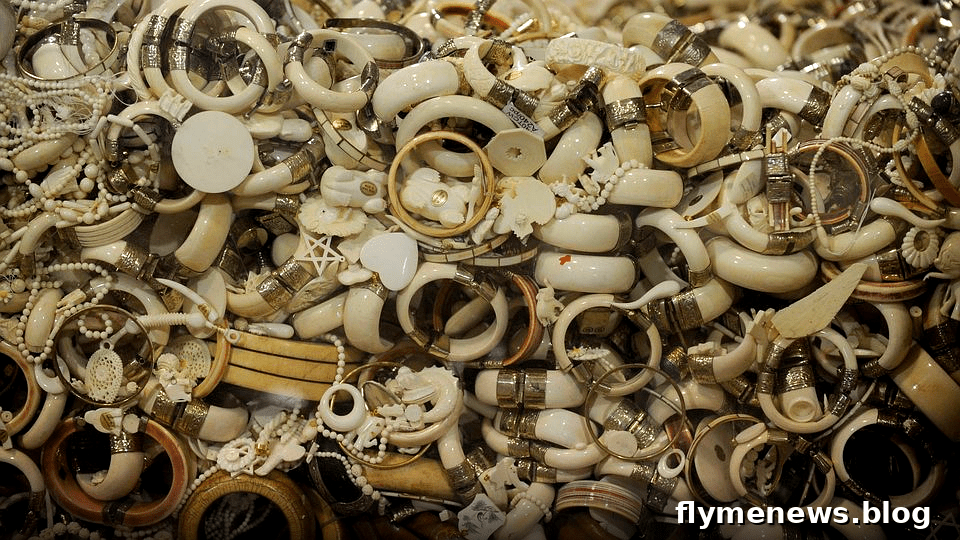
Have you ever wondered about the beautiful ivory carvings you see in Thailand? They hold a rich history, but they also hide a dark secret. “Ivory Thailand” is a story of art, tradition, and survival. This guide takes you through the fascinating history of Thai ivory, the threats it faces, and what the future might hold. We will explore how this once royal art form is now a major issue in the global fight against illegal wildlife trade.
It is a topic that mixes incredible craftsmanship with a serious crime. You will learn how the trade affects the majestic Asian and African elephants. You will also understand what Thailand is doing to stop illegal ivory trafficking. By the end, you will have a clear picture of why protecting elephants is so important. We will also look at the law and how it affects the country’s ivory industry . Let’s find out more about “Ivory Thailand” and the journey of this controversial material.
Table of Contents
The Deep Roots of Thai Ivory Culture
The story of “Ivory Thailand” starts a long time ago. It goes back thousands of years. Archaeological sites show that people used ivory as far back as the Bronze Age. For example, ivory beads were found at Ban Chiang dating to around 3,600 BC . This proves that the connection between people and elephant ivory is very old. It was not just a pretty material; it was something special.
In Thai culture, ivory is more than just a decoration. Elephants themselves are deeply respected. They are a symbol of power and good fortune. Thai mythology even tells of four families of magical elephants, each created by a Hindu god . This tradition made ivory a prized possession. It was mostly for the royal family and rich people. This long history is why “Ivory Thailand” is so well-known around the world.
The Royal Art of Ivory Carving
The real “Golden Age” for “Ivory Thailand” began during the reign of King Rama V (1868-1910). Before this, not much carved ivory is seen in Thai history. King Rama V made ivory popular. He used it for many things, like sword handles, containers, and official seals. The best craftsmen were given the special title “Seal Sculptor.” They made seals for the government and high-ranking people .
The King even held contests for carving. He registered 17 different styles of ivory containers. This was like a copyright system for the royal family . These beautiful objects were status symbols. The skill involved was amazing. Carvers spent months making a single piece. This royal patronage helped develop the incredible carving skills for which “Ivory Thailand” is famous.
The Shift to Mass Production
Things changed a lot for “Ivory Thailand” in the 1970s. As tourism grew, the demand for souvenirs increased. Workshops started using electric tools instead of hand tools . This meant they could make things much faster. They started producing jewelry, elephants, and other trinkets for tourists.
Before, a master carver would spend a long time on one piece for a rich client. Now, the focus was on quantity, not quality. This shift changed the art form. While some master carvers still make high-quality custom orders, most of the work became mass-produced. This caused a decline in quality . Sadly, many of the items are just cheap souvenirs. Some people even say they are a waste of a beautiful material. This is a big part of the “Ivory Thailand” story today.
The Dark Side of “Ivory Thailand”: Illegal Trafficking
While the art is beautiful, there is a very dark side to “Ivory Thailand.” Today, the country is a major hub for illegal ivory trafficking. This is a serious crime. It threatens the survival of elephants in Africa and Asia. The illegal trade is driven by demand for ivory products.
Thailand’s location makes it a key transit point. Smugglers bring ivory from Africa and other parts of Asia. They then sell it to buyers in Thailand and other countries, like Vietnam . This criminal activity is a huge problem. Recent police raids show just how big the problem is.
Recent Crackdowns and Seizures
In May 2026, Thai police made a huge bust. They arrested 9 people in the largest ivory seizure in a decade. The police found around 250 kilograms of African elephant tusks, worth about 10 million baht ($300,000) . The ivory was being sold in a private Facebook group. The police tracked the group for months before making the arrests.
This is just one example. Another seizure at Suvarnabhumi airport in Bangkok found nearly half a tonne of ivory. It was hidden in crates labeled as handicrafts . These busts show the scale of the problem. The people involved face up to 10 years in prison and a big fine . This crackdown shows that Thailand is trying to stop the flow of illegal ivory.
Online Trade and the Role of Social Media
A lot of illegal ivory trade now happens online. People use social media to buy and sell it. They often use secret codes or emojis, like 🐘, to hide what they are selling . This makes it hard for police to find them.
One report showed a 265% increase in online wildlife trade ads. Over 77% of these ads were from Thailand . Facebook is a major platform for this illegal trade. The police bust in May was successful because they found a Facebook group selling ivory . This shows that the internet is a big challenge in the fight against the illegal “Ivory Thailand” trade. It needs new ways to stop it.
Thailand’s Legal Framework and Conservation
Thailand has laws to protect elephants and control the ivory trade. The main law is the Elephant Ivory Tusks Act of 2015. This law controls who can possess or trade elephant ivory tusks. You need a permit from the government to do so . This is a key step in regulating “Ivory Thailand.”
Thailand is also part of an international agreement called CITES. This stands for the Convention on International Trade in Endangered Species. Since 1990, CITES has banned the international trade of elephant ivory . As a member, Thailand must follow these rules. The government has stepped up efforts to stop the smuggling of ivory . They are working to protect elephants from poaching.
The Law and Carver Livelihoods
The fight against illegal trade has a big impact on people. The crackdown on ivory affects the livelihoods of about 120 ivory carvers in Thailand. These are skilled artisans. Their families depend on this work . When they switch to carving cow bone instead of ivory, their income drops a lot.
One workshop saw its income fall from $500 a month to just $150 a month . This creates a difficult situation. We need to stop the illegal trade to save elephants. But we also need to think about how this affects the carvers and their families. Finding a balance is hard. It is a major part of the “Ivory Thailand” challenge.
The Future of Ivory in Thailand
The future of “Ivory Thailand” is uncertain. It depends on many things. Government regulation is key. There is a lot of pressure to stop ivory sales. This would help save elephants. However, there are about 2,000 domesticated elephants in Thailand. Their owners sometimes sell their ivory to make money.
If the government bans all ivory sales, this ivory will become worthless. This could make it harder for owners to care for their elephants. They are very expensive to keep. This could lead to neglect or even death of these animals . We must think about the welfare of all elephants, both wild and tame. This is a big part of the debate surrounding “Ivory Thailand.”
Can Art and Conservation Coexist?
The key question is whether “Ivory Thailand” can have a future that doesn’t hurt elephants. Perhaps the tradition can survive. But it must be in a legal and sustainable way. This means using only ivory from elephants that die naturally. It also means using alternative materials like cow bone.
The craft might also shift to focus on cultural value. At some elephant camps, people use tusks to make shrines. They also hold ceremonies to honor elephants . This could help keep the tradition alive. It would focus less on selling trinkets. It is a new way to show respect for elephants. This could be a different path for “Ivory Thailand.”
Conclusion
“Ivory Thailand” is a story of rich tradition and tough challenges. It’s a tale of incredible art that has led to a crisis for a beautiful animal. The history of Thai ivory is long and important. It shows the deep respect people have for elephants. But the modern trade has turned this respect into a threat. It is now a serious crime that is harming elephant populations.
The fight against illegal ivory trafficking is vital. We must support the laws that protect elephants. We must also think about the carvers whose lives are affected by this change. The future of “Ivory Thailand” depends on finding a balance. We can value the art but must put the safety of elephants first. You can help by saying no to ivory souvenirs. Support sustainable alternatives instead. That is how we can protect these amazing animals.
Frequently Asked Questions
What is “ivory Thailand”?
“Ivory Thailand” refers to the history, art, and trade of ivory within Thailand. It covers the traditional carving skills, the material’s cultural and royal significance, and the current issues with the illegal ivory trade and conservation.
Is it legal to buy ivory in Thailand?
Thailand’s laws are strict. It is illegal to buy or sell elephant ivory from wild elephants. You can only possess or trade ivory from domesticated elephants if you have a permit from the government . You should always avoid buying ivory souvenirs.
Why is Thailand a hub for illegal ivory trade?
Thailand is a major transit point for wildlife smugglers. It is in a strategic location in Asia. The country also has a long tradition of ivory carving. This creates a demand that is often met by illegal smuggling from Africa and other places .
What is CITES and how does it relate to Thailand?
CITES is the Convention on International Trade in Endangered Species. It is an international agreement that bans the global ivory trade. Thailand is a member. It must follow CITES rules to stop the illegal movement of elephant ivory across its borders .
How does the ivory trade affect elephants?
The illegal ivory trade is the main reason for elephant poaching. Tens of thousands of African elephants are killed each year for their tusks. This is causing a huge decline in their numbers. Without serious enforcement, wild elephants could face extinction in the next 30 years










Leave a Reply